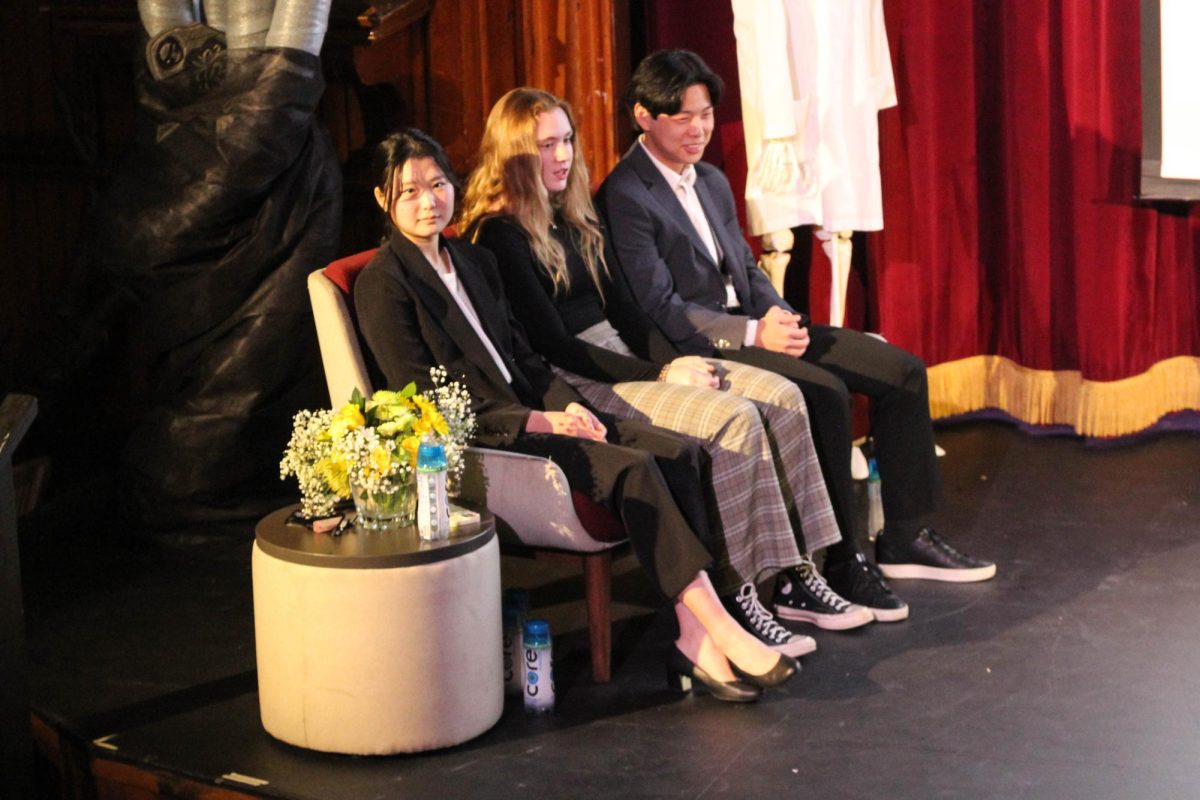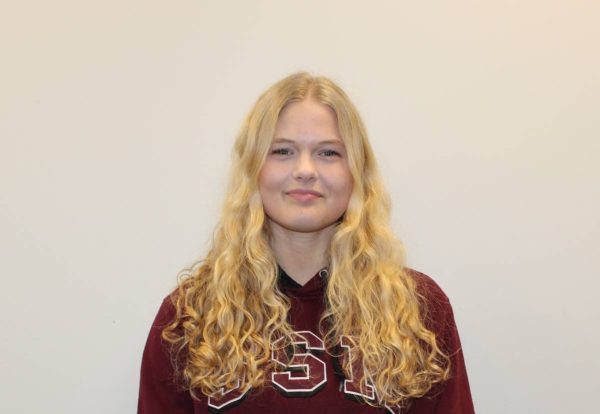


Many likely know that the BioScience Signature Program is a hub for students interested in science and healthcare, but what many probably do not know is the amount of work that goes on behind the scenes to innovate and implement every student’s original project. In a one-on-one interview with the founding director of the Signature Program just days before the first poster session of the year, Dr. LaLiberty revealed details about a typical day for BioScience students, the inner workings and purpose of the program, their projects, and poster sessions.
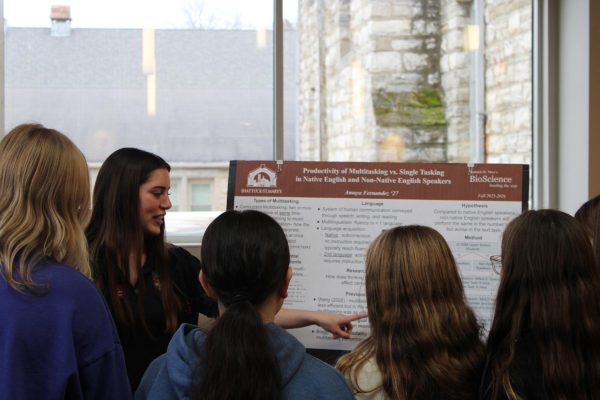
Before students can even begin working on their projects they must spend a term on their “Tech project.” These tech projects are aimed to improve a variety of skills such as coding and soldering that students may need while working on their projects or in their future careers. Upon completion of their Tech Project, students will research previous students’ work and decide if they want to build on someone else’s work, or propose a new project. Then they must submit their project for approval to the Ethics Review Board then recruit any participants they might need. After all of that they can finally start collecting and analyzing data. Seniors in the program then spend the majority of their year publishing a research paper. All this work is what you see displayed at the poster sessions.
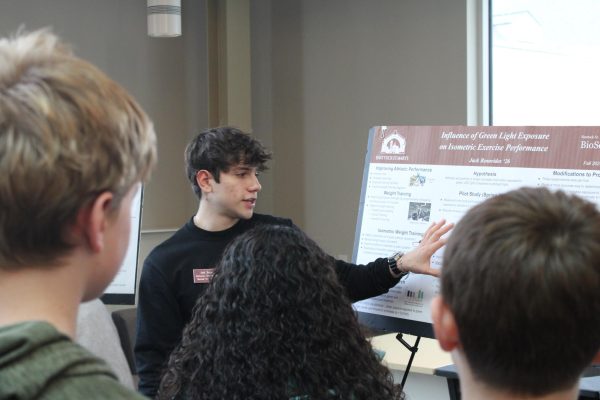
To prepare for a poster session, a student creates a poster that funnels information in a way where the problem, process, and outcome can be clearly communicated to anyone who is interested in learning about it. “So this all is about science communication,” says Director Dr. Maren LaLiberty, M.D. (Doc). Science communication is the heart of the poster sessions. Dr. LaLiberty said, “Communicating why you’re doing a project, how you’re going to do it, what your hypothesis is, how you’re going to analyze your data. How you communicate that to people is really hard. It’s really difficult.”
Students learning effective science communication is so important to Doc that she has them go over to the middle school and present their projects once more after any poster session. Not to mention the seniors’ ten minute oral presentation that they give in the spring.
Now despite all of the work that goes into these poster sessions, some of the actual posters are not completed until the day before. Because as Dr. LaLiberty says, “It’s not about the posters … this isn’t a class on how to make a poster.” The posters are simply a tiny look into the huge amount of work this program is putting in.
The BioScience Signature Program will be hosting a spring poster session or the senior presentations. So be sure to keep an eye out for those!